
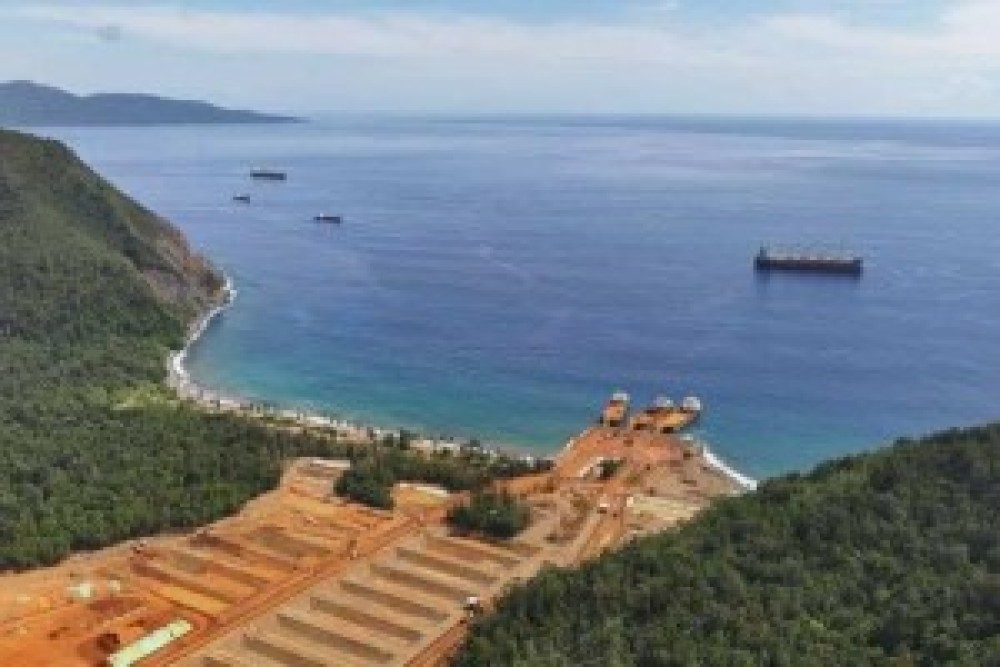
DAVAO CITY – A nickel mining company in Mati City is making a visible impact on Indigenous Peoples (IP) communities, channeling at least P20 million a year into royalties and development programs through its Social Development and Management Program (SDMP). In a statement released Thursday, Hallmark Mining Corporation (HMC) said its initiatives cover scholarships, healthcare, basic services, water systems, road repairs, and livelihood projects, while also prioritizing jobs for locals. “Mining may be temporary, but community gains must endure,” the company said, stressing the importance of rehabilitation, skills training, and alternative livelihoods to help communities become self-sufficient in the long run. The initiative comes as nickel mined in Mati is now part of the global supply chain powering electric vehicles (EVs) and renewable energy systems—highlighting the Philippines’ growing role in the global shift toward clean energy. From Mati’s mineral-rich lands to EVs used around the world, locally sourced nickel is helping drive a greener future while strengthening communities at home. Operating under government-approved Mineral Production Sharing Agreements (MPSAs), HMC supplied nickel laterite ore to processing hubs in China and Indonesia from 2022 to 2025. “These materials are used in EV batteries and energy storage systems—key industries pushing global decarbonization,” the company said. Once known mainly for its use in stainless steel, nickel has become a critical component in EV batteries and next-generation energy technology. In 2023, the Philippines ranked as the world’s second-largest nickel producer, with output estimated at around 330,000 metric tons, largely from laterite deposits. HMC said its operations follow responsible mining practices and fully comply with Department of Environment and Natural Resources standards, including erosion control, watershed monitoring, dust management, land rehabilitation, and native tree planting. PIXABAY PHOTO
Remate Express