

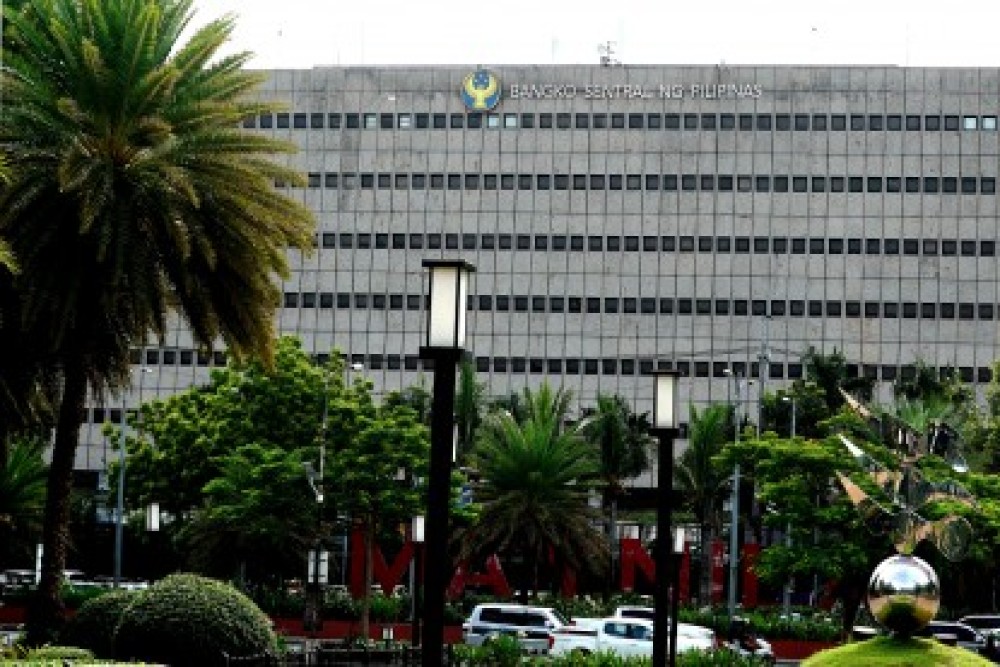
Lending growth among universal and commercial banks (U/KBs) remained solid in November 2025, signaling sustained credit demand and continued support for economic activity, according to data released by the Bangko Sentral ng Pilipinas (BSP).
Outstanding loans grew by 10.3 percent in November, steady from the previous month. Lending to residents eased slightly to 10.7 percent from 10.9 percent in October, while loans to non-residents slowed sharply to 4.5 percent from 11.1 percent.
Business lending expanded by 9 percent year-on-year, reflecting broad-based growth across key sectors. Loans to electricity, gas, steam, and air conditioning supply posted the strongest increase at 26.6 percent. This was followed by transportation and storage at 12.7 percent; wholesale and retail trade, including motor vehicle and motorcycle repair, at 11.6 percent; real estate at 9 percent; information and communication at 7 percent; and financial and insurance activities at 3.5 percent.
Consumer lending continued to be a major driver of credit growth. Loans to residents—including credit card, motor vehicle, and salary loans—rose by 22.9 percent in November, only slightly lower than the 23.1 percent recorded in October, underscoring resilient household spending.
The BSP said it continues to closely monitor bank lending as a key transmission channel of monetary policy, adding that it will ensure domestic liquidity and credit conditions remain consistent with its price stability and financial stability objectives.
Rizal Commercial Banking Corporation (RCBC) chief economist Michael Ricafort said sustained double-digit loan growth remains a constructive signal for the broader economy.
"Bank loans growth still at double-digit levels could still bode well as a leading indicator to the broader economic/GDP (gross domestic product) growth," he said in a message to the Philippine News Agency on Wednesday.
Ricafort noted that interest rate cuts by both the BSP and the US Federal Reserve in 2025 helped fuel lending activity by reducing borrowing and financing costs.
"Loan growth could continue to sustain at double-digit growth levels if the Fed cuts rates further in the coming months that could be matched by the BSP, alongside possible cut/s in local banks' RRR (reserve requirement ratio), all of which could further reduce borrowing costs/financing costs that could spur greater demand for loans/credit and help boost investments and overall economic/GDP growth," he said.
He added that fiscal execution will also play a critical role in sustaining momentum.
"Catch up government spending based on anti-corruption measures and other reforms that help further level up governance standards would help boost economic/GDP growth alongside higher demand for loans/credit," Ricafort said.
